If you have spent any time at a poker table in Geelong, you know a good game is mostly about the feel of the room, not just the cards. The same instinct carries over to legit poker sites that want to keep Australians playing past the first arvo session. I have spent twenty-five years inside gaming and three decades building creative products across slots and platforms, and I can tell you the difference between a flashy lobby and a room you actually return to comes down to navigation, language and how the whole thing behaves when you are busy as a one-armed bandit on a long weekend. This is a look at where legit poker gets the everyday usability right, where it still trips up, and which player-fit scenarios make sense for an Australian adult who just wants a clean, local-feeling table without the fuss.
What good localisation looks like on a poker screen
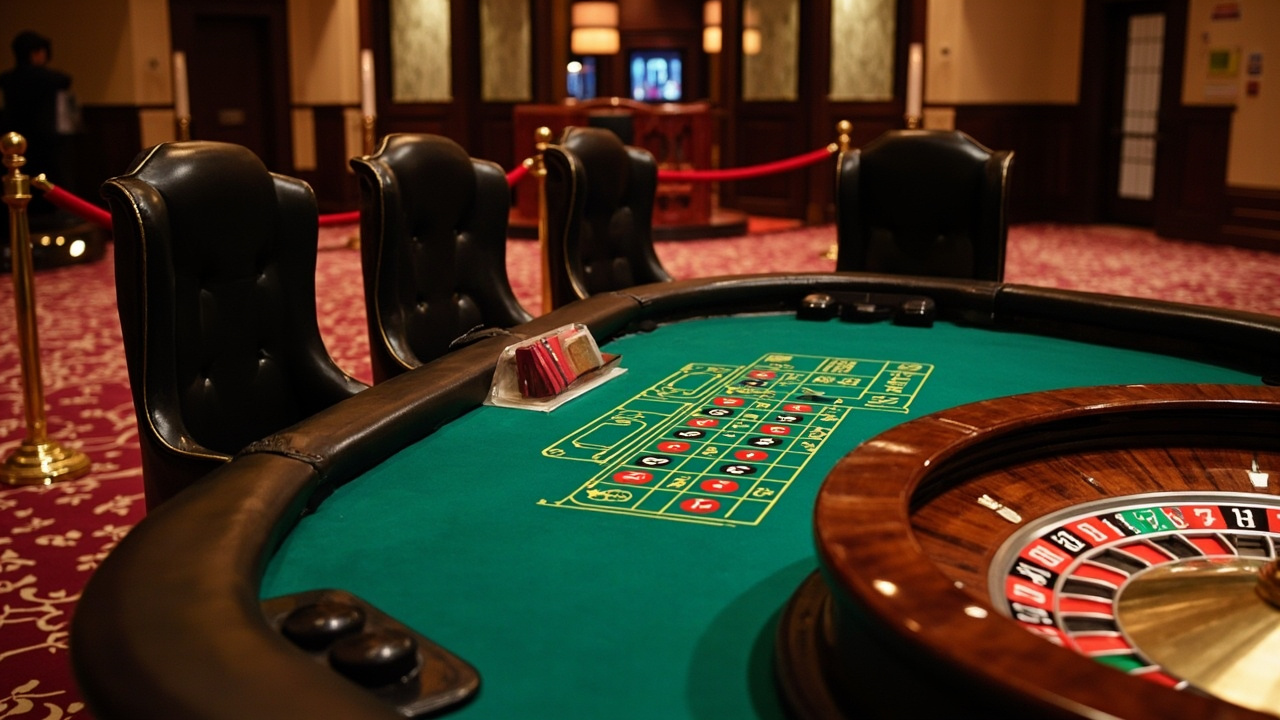
A legit poker room that actually understands its Australian players does not just slap a green contour on a generic lobby and call it a day. The visual identity needs to read as a place you can settle into, with clear table filters, readable hand histories and a currency display that never makes you do mental maths at the table. I have watched platform teams argue for months over whether a player should see dollars or cents on a buy-in screen, and the right call is always the one that removes friction before the cards are dealt. When the layout is tidy, the search bar finds the right stake and the language reads like it was written for the room rather than translated at speed, players stop fighting the interface and start reading the action. That is the quiet work that separates a site you tolerate from one you actually book a session around.elvisfrogvegasau.com
Interface, localisation and everyday usability in practice
Reading the table without squinting
A legit poker lobby should let you spot your preferred stake, format and table size in a couple of taps, not a scavenger hunt. I have seen players abandon a solid room because the stake filters lived under three menus and the table names blurred together on a phone screen. The better setup keeps the most-played formats near the top, shows blind structures plainly and uses contrast that works in a dimly lit room when you are halfway through a long session. A clean search that actually returns the right table, rather than a wall of generic options, is worth more than a dozen animated banners.
Language, currency and local feel
Localisation is not a banner swap; it is the small decisions that make a room feel built for the people using it. A legit poker site that gets this right shows Australian dollars without rounding tricks, uses familiar phrasing in the lobby and support panels, and keeps the registration flow short enough that you are not re-entering your details three times. I have watched a platform team argue over whether to call a bonus a “reward” or a “credit”, and the honest answer is that the wording should match how the room actually behaves. When the currency, language and terms line up with what players expect, the room stops feeling like a foreign product and starts feeling like a place you can plan a session in.
Search, structure and getting back to the table
The everyday test for legit poker is whether you can leave a table, check something quickly and come back without losing your rhythm. A sensible structure keeps recent tables, active tournaments and favourite stakes within easy reach, and the search function should handle a specific stake or format without dumping you into a generic list. I remember a player in Geelong who kept a notebook of his favourite tables because the lobby made it too hard to find them again; that is the kind of friction a well-built room should eliminate. When the navigation is predictable and the search returns what it promises, the room earns its place in a regular routine.Michaelwest Screenhub
Blake Murray, Marketing Director, Australian Gaming Futures, puts it plainly: “A poker room that cannot find its own tables in two taps is asking players to do the platform’s job for it.” That is a fair call, and it is the kind of judgement I have made on product teams for years – if the structure is not obvious, the feature does not exist for the player.
Who legit poker is built for
A legit poker room tends to suit a player who wants a steady, local-feeling table rather than a carnival of pop-ups and gimmicks. If you are the sort of person who likes to settle in for a measured session, check the stakes once and play on, the room should respect that rhythm with clear filters, readable hand histories and a layout that does not shout for attention. For a player who splits time between euripides-europe.com a laptop and a phone, the mobile view needs to keep